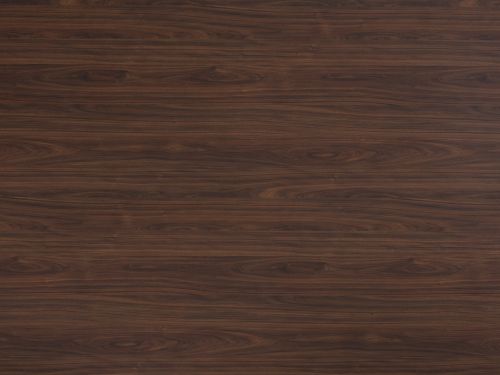
Walnut Hardwood Flooring
Timeless Luxury in Every Grain
When it comes to pure sophistication, few woods rival walnut hardwood flooring. Known for its deep chocolate tones, smooth grain, and natural warmth, walnut is the choice of homeowners and designers seeking a luxurious, refined atmosphere.
Whether it’s adorning a modern penthouse, a traditional library, or a cozy master suite, American walnut floors add an unmistakable touch of elegance. This hardwood’s natural beauty and durability make it one of the most sought-after flooring species in the world.
Want Walnut installed in your home? Check out our Hardwood Flooring Services!
Appearance
A Symphony of Dark Beauty
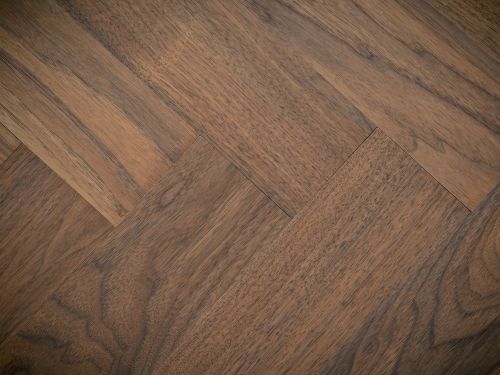
Walnut hardwood—particularly American Black Walnut—is famous for its rich, brown heartwood that ranges from light cocoa to deep espresso, often with subtle purple or gray undertones. The sapwood contrasts beautifully with a pale, creamy hue, giving each plank striking visual depth and variation.
The grain of walnut is typically straight and moderately open, but it can sometimes display wavy or curly figuring that enhances its visual interest. When polished, it develops a soft, satin-like sheen that glows with warmth.
Over time, walnut’s color lightens slightly as it’s exposed to sunlight—aging gracefully while retaining its natural allure. Unlike many darker woods, it doesn’t fade to dullness; instead, it softens to a rich bronze tone that continues to complement both classic and contemporary décor.
Durability
Refined Strength for a Lifetime of Beauty
While walnut is not the hardest of hardwoods—it ranks around 1,010 on the Janka hardness scale—its durability and resilience are more than sufficient for everyday living. In fact, many homeowners appreciate that walnut develops a gentle patina of character over time, with minor wear only adding to its charm.
Because it’s a dense, stable wood, walnut resists warping and shrinking better than many other species. It’s a favorite for bedrooms, living rooms, dining spaces, and offices, where its refined look and smooth texture truly shine.
For high-traffic areas, choosing a matte or satin finish can help conceal minor scuffs and maintain the wood’s natural appeal for decades.
Installation and Finishing: Elegant Versatility
Walnut hardwood flooring is available in solid and engineered formats, making it versatile for a wide range of installations—from above-grade living spaces to basements and condos.
It can be installed using traditional nail-down methods for solid planks or floating/glue-down systems for engineered versions. Because of its dimensional stability, engineered walnut flooring is especially popular in areas with variable humidity or radiant heat systems.
Walnut accepts stains and finishes beautifully, though most homeowners prefer natural or clear finishes that highlight the wood’s deep, organic coloration. A simple oil or low-sheen finish enhances its grain without muting its richness.
Maintenance
Effortless Elegance
Maintaining walnut hardwood floors is as simple as it is rewarding. Its smooth, even grain makes cleaning easy and keeps dust from collecting in crevices.
Sweep or vacuum regularly to remove grit that could scratch the surface.
Use soft cloths and pH-neutral wood cleaners—avoid excessive moisture.
Apply felt pads to furniture to prevent dents.
Refinish every 10–15 years, depending on wear, to restore its glow.
Though walnut is softer than oak or hickory, refinishing is simple and can easily rejuvenate the floor’s appearance. With proper care, walnut flooring can last a lifetime—or longer.
Environmental Sustainability
American walnut is a domestically sourced, sustainable hardwood harvested primarily from the central and eastern United States. Because it’s abundant and managed responsibly, it’s considered an eco-friendly flooring choice.
Look for FSC-certified walnut hardwood flooring to ensure your materials come from sustainably managed forests. Many manufacturers also use low-VOC finishes, supporting better indoor air quality while maintaining the wood’s luxurious appeal.
Styling Inspiration
A Floor that Defines the Room
Walnut hardwood flooring sets the tone for an entire space. Its deep, dramatic hues create contrast and warmth, acting as a natural foundation for a variety of design styles:
Modern Luxury
Pair dark walnut floors with minimalist furniture, clean lines, and metallic accents for a sleek, contemporary look.
Traditional Elegance
Combine walnut with rich fabrics, crown moldings, and antique décor for timeless grandeur.
Mid-Century Modern
Complement the wood’s natural warmth with bold colors and organic shapes for retro-inspired sophistication.
Rustic Chic
Mix walnut with reclaimed materials, stone, and leather for a cozy yet upscale cabin feel.
Because walnut’s color and grain are so distinctive, it often becomes the statement piece of a room, grounding the design in natural beauty.
Walnut vs. Oak: The Debate of Dark vs. Light
Both walnut and oak are beloved hardwoods, but they offer distinctly different aesthetics and performance characteristics:
- Color: Walnut is naturally dark and rich, while oak offers lighter, more neutral tones.
- Grain: Walnut has a smooth, refined texture; oak has a more pronounced, rustic grain.
- Hardness: Oak is harder and slightly more resistant to dents, while walnut provides a softer underfoot feel.
If you value refined elegance and dramatic color, walnut is the winner. For classic durability with visible texture, oak may be your best match.
Want to Get a Quote to Install Walnut Flooring in Your Home?
Call Woodfloor Masters today!
Why Homeowners Love Walnut Hardwood Flooring
- Deep, luxurious brown tones that add warmth and sophistication
- Smooth, elegant grain that complements any décor
- Easy maintenance and long lifespan
- Sustainably harvested from North American forests
- Timeless appeal that enhances property value
Walnut hardwood flooring is more than just a design choice—it’s a statement of taste, craftsmanship, and enduring beauty.